
Solutions · Anti-/de-icing and winterization
Keep the vessel working when the sea freezes
Ice on walkways, lifeboat stations, windows and deck equipment stops operations and puts people at risk. R. STAHL Tranberg designs complete winterization systems, from heating cables and Ex junction boxes to controllers and cold-climate lighting, for DNV Winterized notations, the Polar Code and NORSOK.
- DNV Winterized Basic / Cold / Arctic
- IMO Polar Code
- ATEX · IECEx zone 1 and 2
- No. 1 in anti-/de-icing for ships
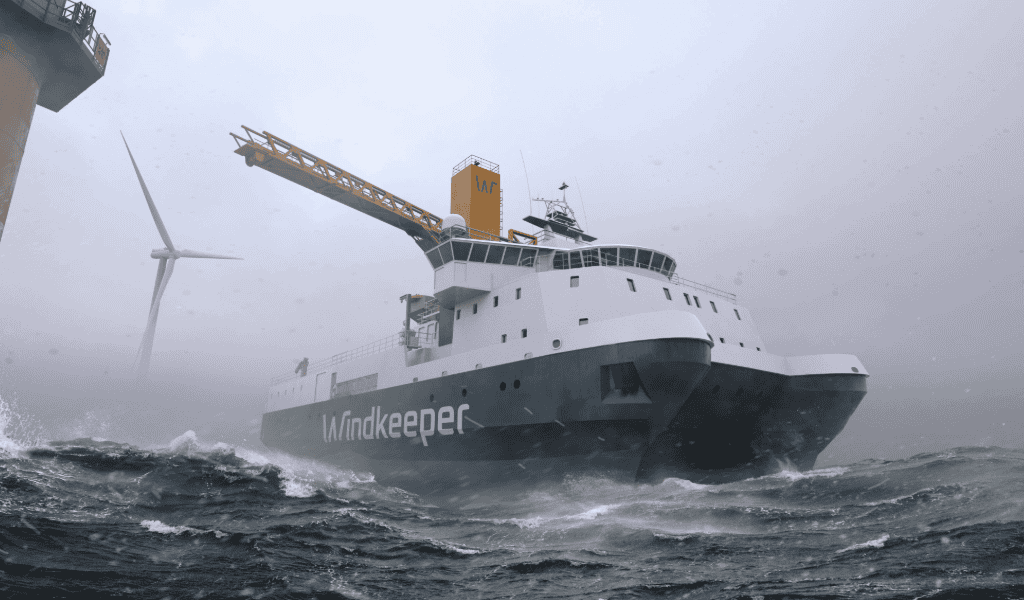
Where ice stops a ship
Six areas every winterization plan has to cover
Class rules and the Polar Code point at the same places: where people move, where they escape, and where the ship is steered. Each area maps to the Tranberg products further down the page.
Walkways, stairs and escape routes
Heated gratings, stair treads and handrails so escape routes stay usable in freezing spray.
Heating cable · TEF 1058 heat trace boxes · thermostats
Lifeboats, MOB boat and rafts
Davits, release gear and embarkation areas must work at the design temperature without de-icing by hand.
Heating cable · connection kits · marshalling boxes
Bridge windows and navigation equipment
Clear view forward and working navigation lights, searchlights and antennas in ice and snow.
Compact navigation lights with heating base · TEF 2870 · searchlights
Air intakes, vents and doors
Engine room intakes, ventilation louvres, watertight doors and hatches that must not freeze shut.
Heating cable · cladding and flange protection · Ex glands
Pipes, tanks and deck machinery
Fire mains, ballast and fuel lines, hydraulic systems, winches and cranes kept above their minimum working temperature.
Raychem BTV / QTVR / XTVR · HTJB boxes · electronic thermostats
Helideck and working areas
Heated helideck lighting and floodlights rated to −40 °C so the deck is usable through the dark season.
TEF 2580 / 2581 floodlights · helideck lighting · TEF 4900 control
Winterization
Tailored de-ice and heating solutions for extreme environments
Market leader in anti-/de-icing for ships and in the offshore supply vessel segment, with tailor-made systems certified by DNV. Every circuit designed, documented and supported from Stavanger.
Rules and notations, explained
What the class notation actually asks for
Three frameworks decide the scope of a winterization package. Tell us which one applies and we scope the system to it.
DNV class notation
Winterized Basic, Cold and Arctic
The notation is given with a design temperature and sets which areas must stay free of ice: escape routes and walkways, lifesaving appliances and their launching areas, navigation and communication equipment, and essential deck machinery. Cold and Arctic tighten the temperature and add requirements for de-icing capacity and materials.
IMO
The Polar Code
Mandatory for SOLAS ships in Arctic and Antarctic waters. The ship gets a Polar Service Temperature, and lifesaving, navigation and safety equipment has to function at that temperature. In practice this means anti-icing of embarkation areas, davits, escape routes and bridge equipment, and the documentation to prove it.
Offshore
NORSOK and hazardous areas
On installations and FPSOs the heat tracing sits in zone 1 and 2 and must be Ex certified end to end: cable, junction box, thermostat and gland. Tranberg heat trace boxes are built to NORSOK requirements and are found on most oil installations in the North Sea.
The Tranberg winterization system
One supplier from heating cable to controller
Every part of the chain comes from our own factory in Stavanger or our long-standing Raychem partnership, certified together and documented per part number. Pick from the family pages, or let us build the package.
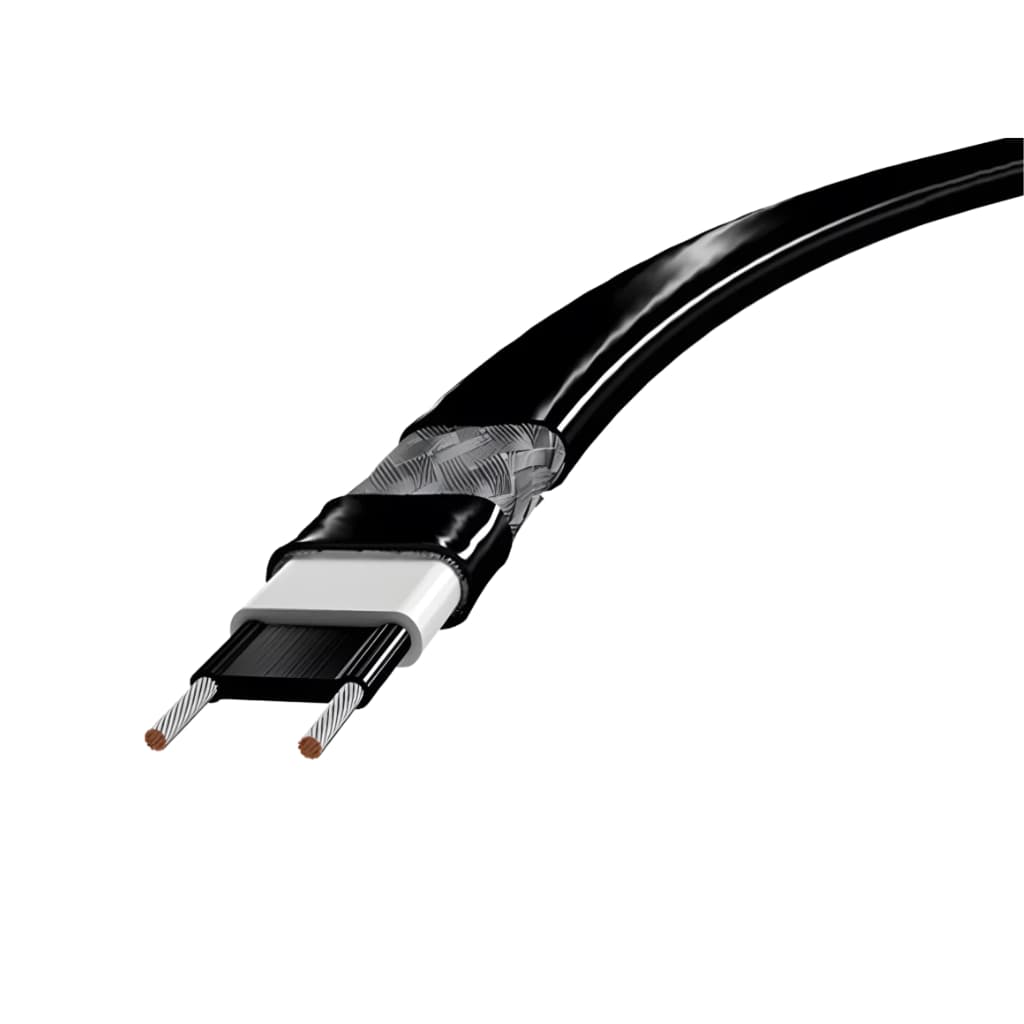
1 · Heat source
Raychem self-regulating heating cables
BTV for freeze protection, QTVR for large pipes, XTVR and HTV for process lines, VPL where power must be limited. 9–92 W/m, cut to length, cannot overheat when overlapped.
- 5 families
- Zone 1
2 · Connection
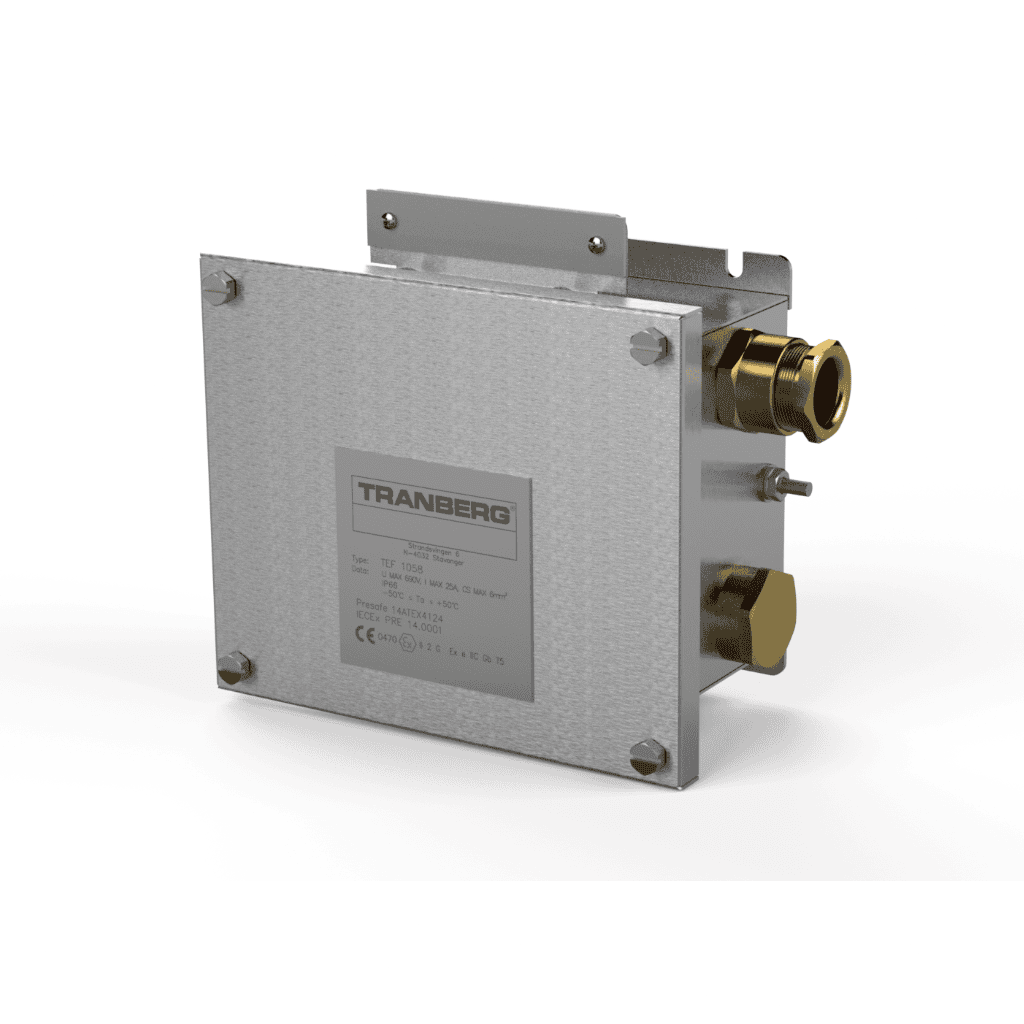
TEF 1058 heat trace junction boxes
Pipe mounted on the line or wall mounted beside it, stainless steel AISI 316L, Ex eb IIC T5 Gb, with TEF 9179 connection kits matched to the cable size and end seal terminations with indicator lamp.
- 17 part numbers
- NORSOK
3 · Distribution
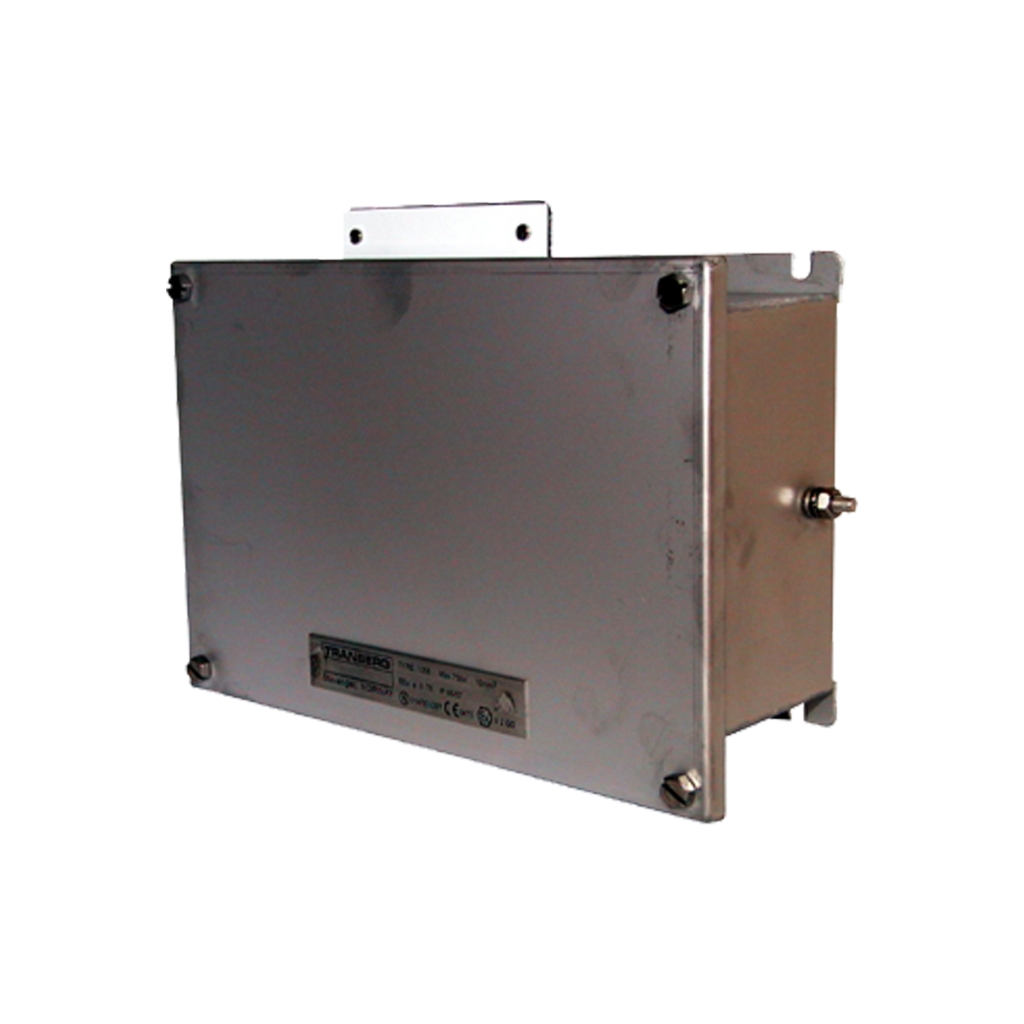
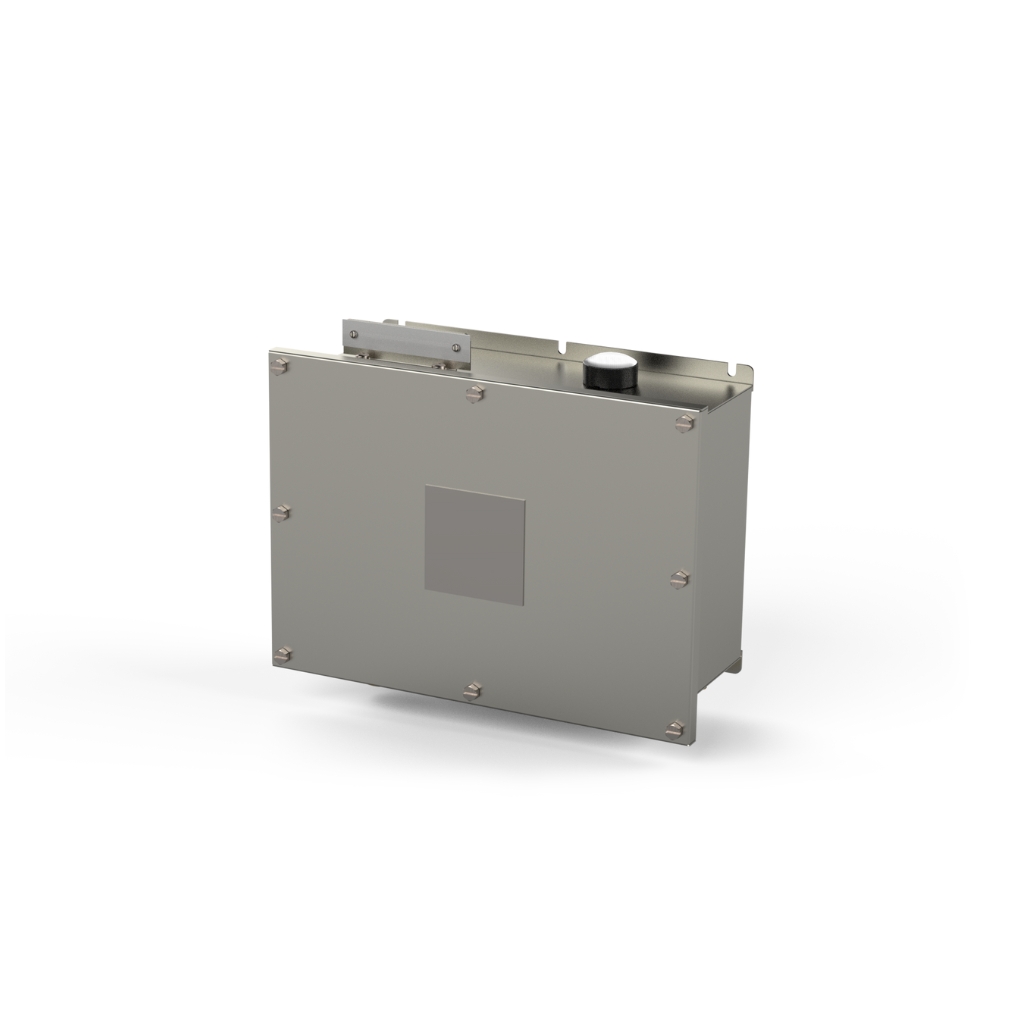
Marshalling boxes and switch boxes
Collect several heating circuits in one Ex box with 6–16 mm² terminals, or add a local safety switch so a circuit can be isolated on deck.
- Ex eb
- 6–16 mm²
4 · Control
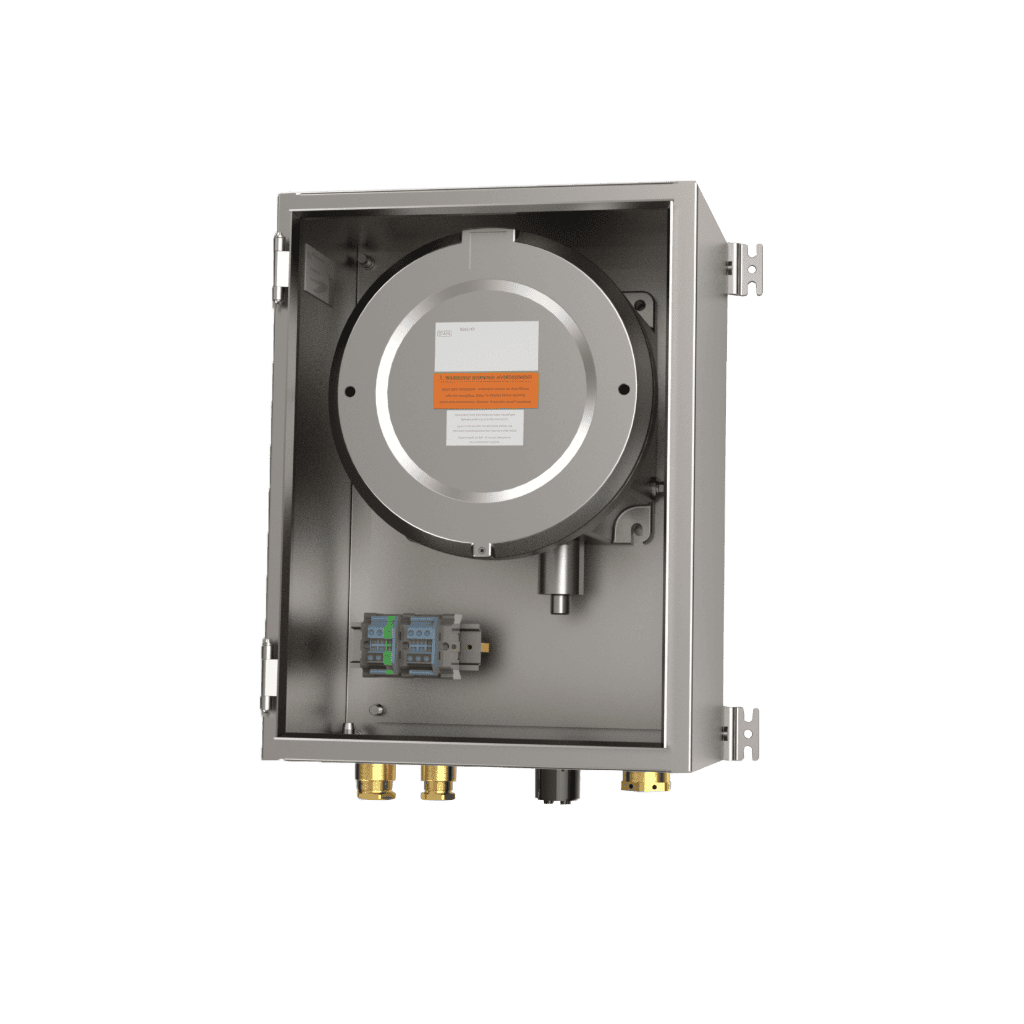
Thermostats: capillary tube or electronic PT100
Mechanical capillary thermostats for simple freeze protection, electronic controllers with PT100 sensor where the maintain temperature matters and energy should be saved.
- 3 families
- Ex
5 · Monitoring
ThermoConnect TTC smart controllers
Controller and limiter with Raychem Elexant 5010i, alarms and communication to the bridge or control room, wireless via Trusted Wireless or WirelessHART where cabling is expensive.
- Zone 1
- Wireless option
6 · Cold-climate lighting
Lighting that works at −40 °C
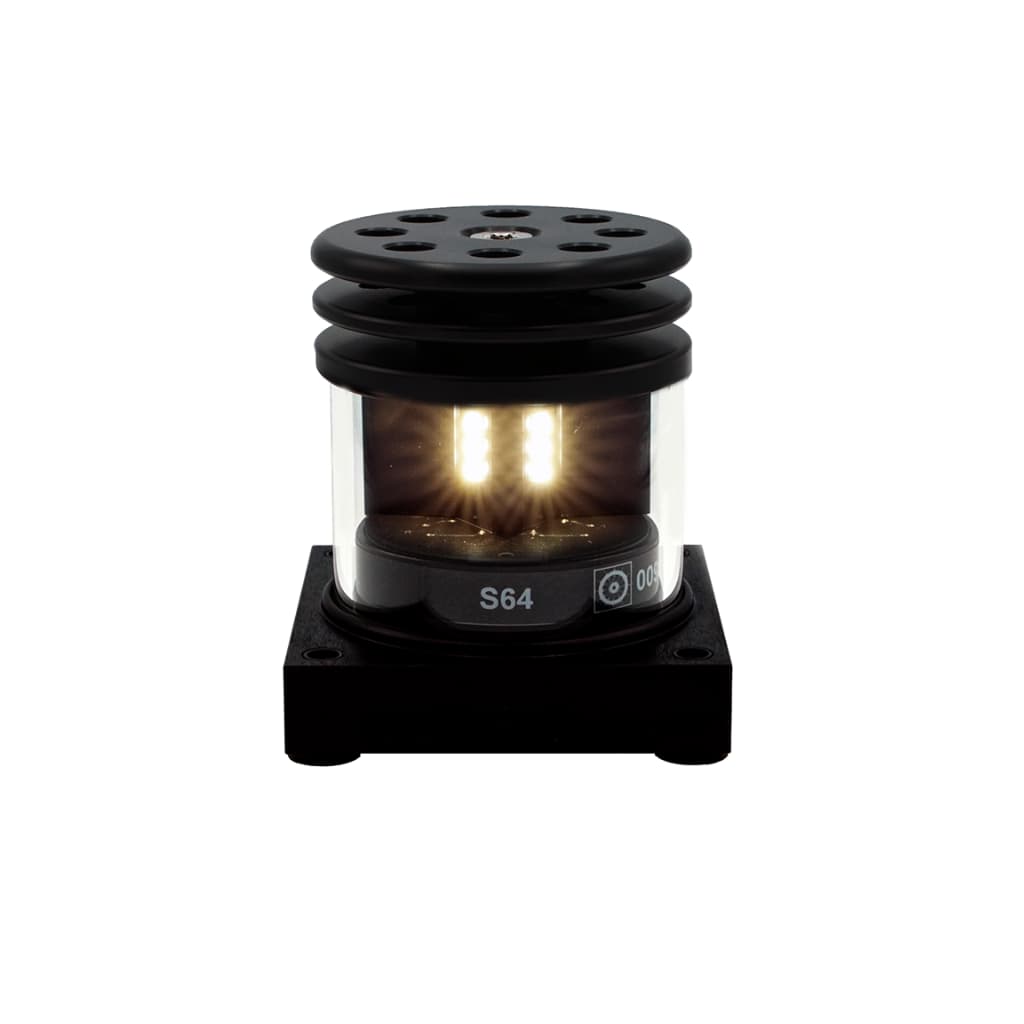
Compact navigation lights with heating base against ice and snow, TEF 2580 and 2581 floodlights rated to −40 °C, and TEF 2870 lanterns proven in arctic waters, all controlled from the TEF 4900 Commander.
- Heating base 2890 999
- −40 °C
How a winterization project runs
From heat loss calculation to commissioning
01
Scope and notation
Which notation, which design temperature, which areas. We go through the GA drawings with you and mark every circuit.
02
Heat loss and cable selection
Pipe size, insulation, maintain and minimum ambient temperature give the W/m and the cable type per circuit.
03
Part list and certificates
A complete list of part numbers with datasheets, Ex certificates and declarations, ready for class approval.
04
Installation support and commissioning
Installation manuals per product, reference resistors for testing the controllers, and our engineers on the phone or on board.
Questions we get every autumn
Winterization, explained in plain words
Anti-icing or de-icing, what is the difference?
Anti-icing keeps a surface above freezing so ice never forms; de-icing removes ice that has formed. Class notations mostly ask for anti-icing on escape routes and lifesaving stations, and de-icing capacity for larger deck areas.
Does the thermostat have to be Ex certified?
Yes, wherever the circuit runs through zone 1 or 2. That is why the Tranberg thermostats and the ThermoConnect controllers are certified to ATEX and IECEx, with the sensor cable protected in Ex glands.
How much power does a heated walkway need?
It depends on the design temperature, wind and the grating type. That is exactly what the heat loss calculation in step 02 gives, so send us the drawings and the notation and we come back with the numbers.
Send us the vessel details
Vessel type, operating area, the areas to be protected and the notation or design temperature. Our engineers come back with a package proposal: product families, an indicative circuit count and the documents class will ask for.